%20--%3e%3cdefs%3e%3cstyle%3e%20.st0%20{%20fill:%20%23f1f047;%20}%20.st1%20{%20fill:%20%23364834;%20}%20%3c/style%3e%3c/defs%3e%3cg%3e%3cpath%20class='st0'%20d='M285.75,0c.36,1.19,1.58.6,3.08.7,133.78,8.91,241.57,116.67,250.47,250.48.1,1.49-.49,2.71.7,3.07v32.25c-.99.14-.62,1.06-.7,2.32-8.89,133.78-116.64,241.56-250.48,250.48-1.48.1-2.71-.49-3.07.7h-32.25c-.14-.99-1.06-.62-2.3-.7C117.37,530.4,9.59,422.61.7,288.82c-.08-1.26.28-2.17-.7-2.32v-33C5.22,185.58,33.62,122.51,83.33,74.91,130.17,30.06,190.18,4.71,254.25,0h31.5ZM232.82,299.57l-.18-31.81c-.04-7.15-5.11-11.85-12.18-11.52-4.33.2-8.28,1.64-10.56,5.51-1.19,2.02-.63,4.77-3.42,6.4,1.16-9.15,1.89-17.81,1.51-26.86l-17.34-.09-.04,58.5,17.39-.08.31-19.15c.07-4.52,2.3-11.37,6.28-9.52.8.37,1.44,1.54,1.46,2.81l.25,25.92,16.51-.11ZM301.5,241.29h-16.5v58.51h16.5v-58.51ZM264.29,282.47c-1.88,1.94-4.09,3.25-6.57,2.51-1.89-.56-4.26-1.57-4.36-4.55l27.12-.13c1.14-9.01-.84-19.03-10.35-22.28-6.98-2.38-14.82-2.56-21.59.44-8.4,3.73-12.11,12.23-11.92,21.05.23,10.15,6.12,18.82,16.31,21.01,10.88,2.34,25.21-1.23,27.04-13.95-5.6-1.31-10.47-3.59-15.7-4.12ZM350.65,278.76c0-12.6-10.21-22.81-22.81-22.81s-22.81,10.21-22.81,22.81,10.21,22.81,22.81,22.81,22.81-10.21,22.81-22.81Z'/%3e%3cg%3e%3cpath%20class='st1'%20d='M232.82,299.57l-16.51.11-.25-25.92c-.01-1.27-.65-2.44-1.46-2.81-3.98-1.85-6.21,5.01-6.28,9.52l-.31,19.15-17.39.08.04-58.5,17.34.09c.38,9.06-.35,17.71-1.51,26.86,2.79-1.63,2.23-4.39,3.42-6.4,2.28-3.86,6.23-5.31,10.56-5.51,7.07-.33,12.14,4.37,12.18,11.52l.18,31.81Z'/%3e%3crect%20class='st1'%20x='285'%20y='241.29'%20width='16.5'%20height='58.51'/%3e%3cg%3e%3cpath%20class='st1'%20d='M350.65,278.76c0,12.6-10.21,22.81-22.81,22.81s-22.81-10.21-22.81-22.81,10.21-22.81,22.81-22.81,22.81,10.21,22.81,22.81ZM333.99,278.77c0-3.4-2.76-6.16-6.16-6.16s-6.16,2.76-6.16,6.16,2.76,6.16,6.16,6.16,6.16-2.76,6.16-6.16Z'/%3e%3ccircle%20class='st0'%20cx='327.83'%20cy='278.77'%20r='6.16'/%3e%3c/g%3e%3cg%3e%3cpath%20class='st1'%20d='M264.29,282.47c5.22.53,10.1,2.81,15.7,4.12-1.83,12.72-16.16,16.29-27.04,13.95-10.19-2.2-16.09-10.86-16.31-21.01-.2-8.82,3.52-17.32,11.92-21.05,6.76-3.01,14.6-2.83,21.59-.44,9.51,3.25,11.49,13.26,10.35,22.28l-27.12.13c.09,2.97,2.47,3.98,4.36,4.55,2.49.74,4.69-.57,6.57-2.51ZM263.93,274.85c-3.14-3.29-7.43-2.52-9.78.22,3.67.36,6.59.7,9.78-.22Z'/%3e%3cpath%20class='st0'%20d='M263.93,274.85c-3.19.92-6.11.58-9.78.22,2.36-2.74,6.64-3.51,9.78-.22Z'/%3e%3c/g%3e%3c/g%3e%3c/g%3e%3c/svg%3e)

In a world where the phone is our constant companion and the screens never go dark, it is easy to feel overwhelmed, stressed and — yes — a little digitally exhausted. But what actually happens when we press pause and give ourselves a digital detox?
You are on the bus to work, feeling a little bored. Dead time. You take out your phone to scroll through Instagram. What are my friends up to? Has anything happened in the world? Is there a new recipe I want to save for dinner? You stop and look around the bus. How many other people are looking down at their phones, doing exactly what you are doing — scrolling?
Most of them, at a guess.
Imagine a moment without pinging notifications, without endless scrolling and without being constantly connected. A chance to reconnect with yourself, your thoughts and — not least — your body.
Digital detox is something that attracts a great deal of attention today. And that is not surprising if you look at the figures. According to the report “Barns skärmtid 2023” from Statistics Sweden, children aged 12–18 spend on average 3–4 hours a day of their free time in front of screens, including watching films, playing computer games and using social media. According to “Svenskarna och internet”, adults in Sweden spend on average around 7 hours a week on social media. Women spend slightly more, 7.8 hours a week on average, while men spend about 6.3 hours. That comes to around 364 hours a year. Of scrolling.
What does a digital detox involve?
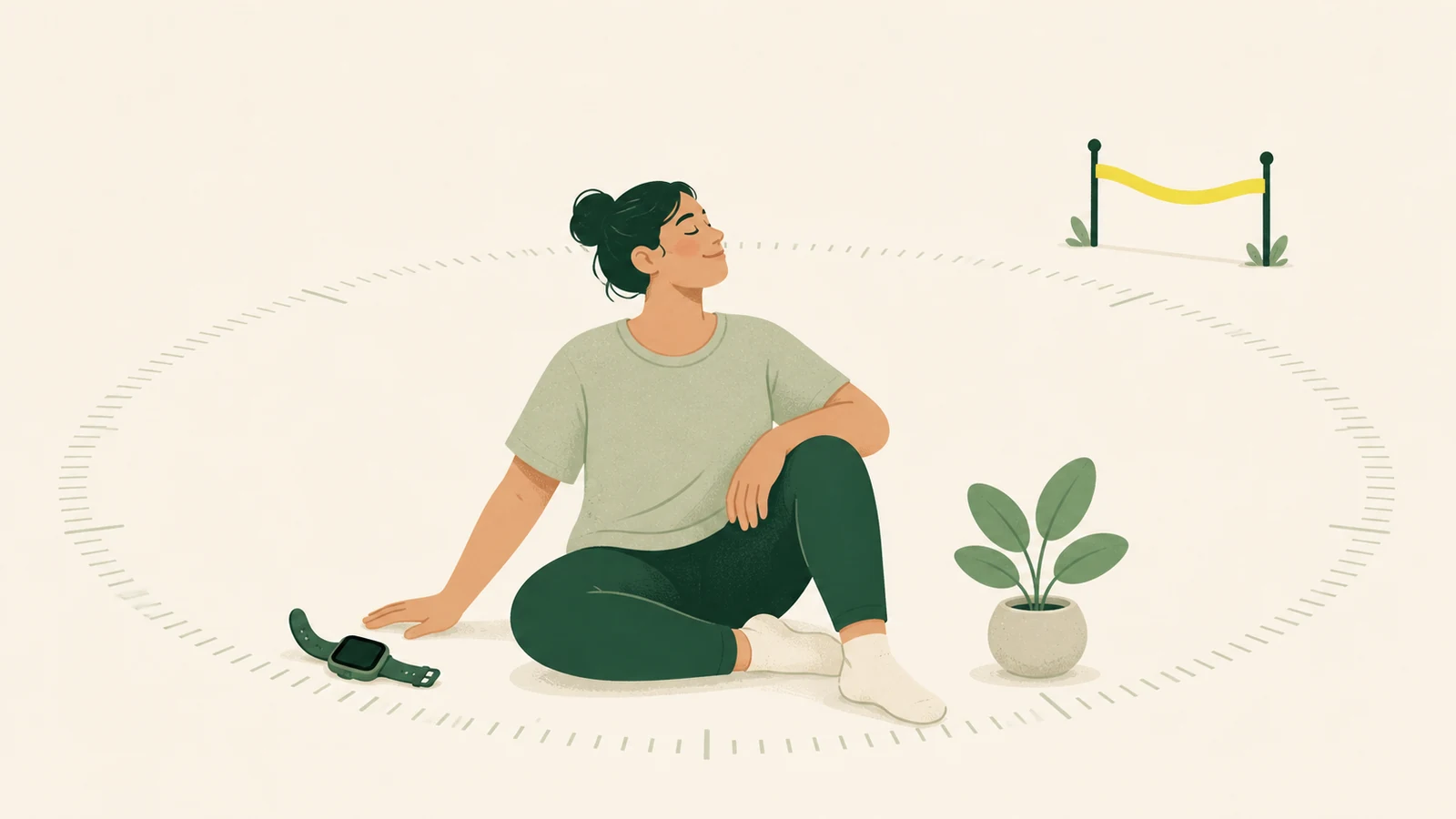
A digital detox is defined as a deliberate break from digital devices such as smartphones, computers and tablets for a set period. It is about creating deliberate boundaries so that technology becomes a useful tool rather than a source of stress.
A digital detox is not about becoming hostile to technology; it is about creating balance in a digitalised everyday life.
Why might you need a digital detox?
The benefits of a digital detox are many. And it is not only reduced screen time that is at stake — it is time you get back and can spend on something else. Spending time with your family, taking a course, or looking after your health.
Here are some direct benefits of a digital detox:
- Less stress: fewer distractions mean more focus and less stress.
- Better sleep: the blue light from screens can disturb sleep — a break helps you sleep better.
- More presence: you become more present in meetings, in conversations and in the moment.
- Creativity and energy: without constant stimulation, the brain gets a chance to rest and recharge.
How to get started — simply and effectively
Are you thinking about reducing your screen time but finding it hard to start? Here are a few simple tips that can make a great difference:
- Decide on a time: start small, an hour a day without a screen, for instance.
- Create screen-free zones: the bedroom or the dinner table are perfect places.
- Swap the screen for something else: read a book, go for a walk or meditate.
- Tell the people around you: so they know you are taking a break and have not disappeared for good.
Your health will thank you
A digital detox is a mini-holiday for the brain and an investment in your health. As health coaches we see how small changes in everyday life can make a great difference. So why not give yourself that gift today? Switch off for a while, and switch on your best self.
Would you like more advice on creating balance in your everyday life? Book a coaching conversation today and we will help you find your way to a healthier, happier life — with or without a screen.